Why 'swipe fatigue' is real (and how to meet people in real life again)
June 28, 2026 · 6 min read
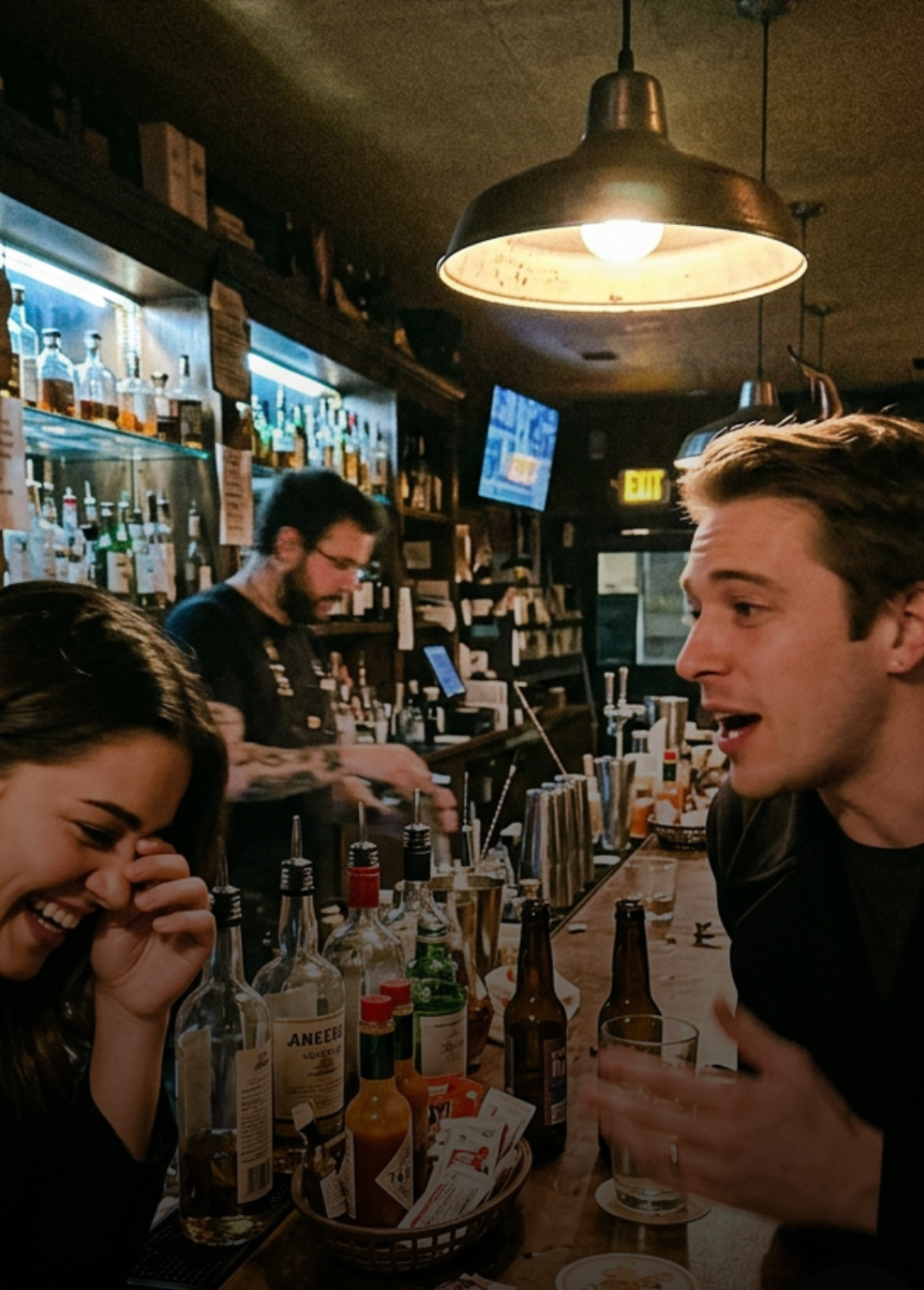
If you feel exhausted by dating apps, you're not soft and you're not alone. Multiple 2024 to 2026 studies from Pew, Hinge's own research team, and academic labs at Stanford and Kinsey all report the same thing: swipe fatigue is measurable, it's growing, and it affects mental health. Here's what it actually is and how to get out.
What swipe fatigue actually is
It's decision fatigue plus rejection sensitivity plus the specific mental load of context-switching between dozens of shallow parallel conversations. Neurologically, it looks a lot like the fatigue of doomscrolling social media, for the same reason: infinite feed, variable reward, low-quality outcome.
The numbers are worse than you think
As of 2026, roughly 60% of Hinge and Bumble users report burnout in in-app surveys. Median time-to-first-date from a match has stretched to 14+ days on most major apps. Reply rates to opening messages have collapsed to 20 to 30%. Bot and scam traffic is at an all-time high. It's not you, the systems are getting worse.
Why apps get more exhausting the longer you use them
The algorithm doesn't optimize for you finding a partner, it optimizes for you staying on the app. That's why the best matches show up in your first week and then thin out. That's why paid features multiply. That's why the good people you liked last month have vanished from your queue.
The 30-day reset that actually works
Delete the apps for 30 days. Pick two recurring in-person things: one hobby (weekly), one social (weekly). Buy a stack of No.Regrets.Dating cards and carry them. Text three friends and say, 'I'm dating again, if you know anyone, set me up.' That's the whole plan. Ninety percent of people who do this report feeling better within two weeks whether or not they've met anyone yet.
What replaces the app
The mental space the app was taking gets returned to you. You'll notice how much of your attention was going to swipe queues and unread-message anxiety. The offline meeting rate is slower per week, but the conversion to actual dates is dramatically higher, because in-person context does the filtering the app was pretending to do.
Where scan-to-connect fits
The gap in the offline plan is: what do you do at the moment you meet someone interesting? A card is the answer. No.Regrets.Dating was built specifically for people coming off the apps and back into real-life dating who still want structure around the follow-up.
The apps aren't going away, but the smartest single people you know are already using them a lot less. The exit is not another app. It's a different life, and a card in your wallet for the moments that used to slip past you.
Meet people without handing over your number
No.Regrets.Dating members carry a card with a QR code. Anyone who scans it takes a live selfie and answers a short dating-style profile before their message reaches you, so you see who's actually reaching out.
See how it works